I Hadn't Slept Through The Night In 18 Months. Then A Colleague Told Me About This.
Marcus H., 47, a project manager from Leeds, spent nearly two years surviving on four hours of broken sleep until one quiet conversation in a break room changed everything.
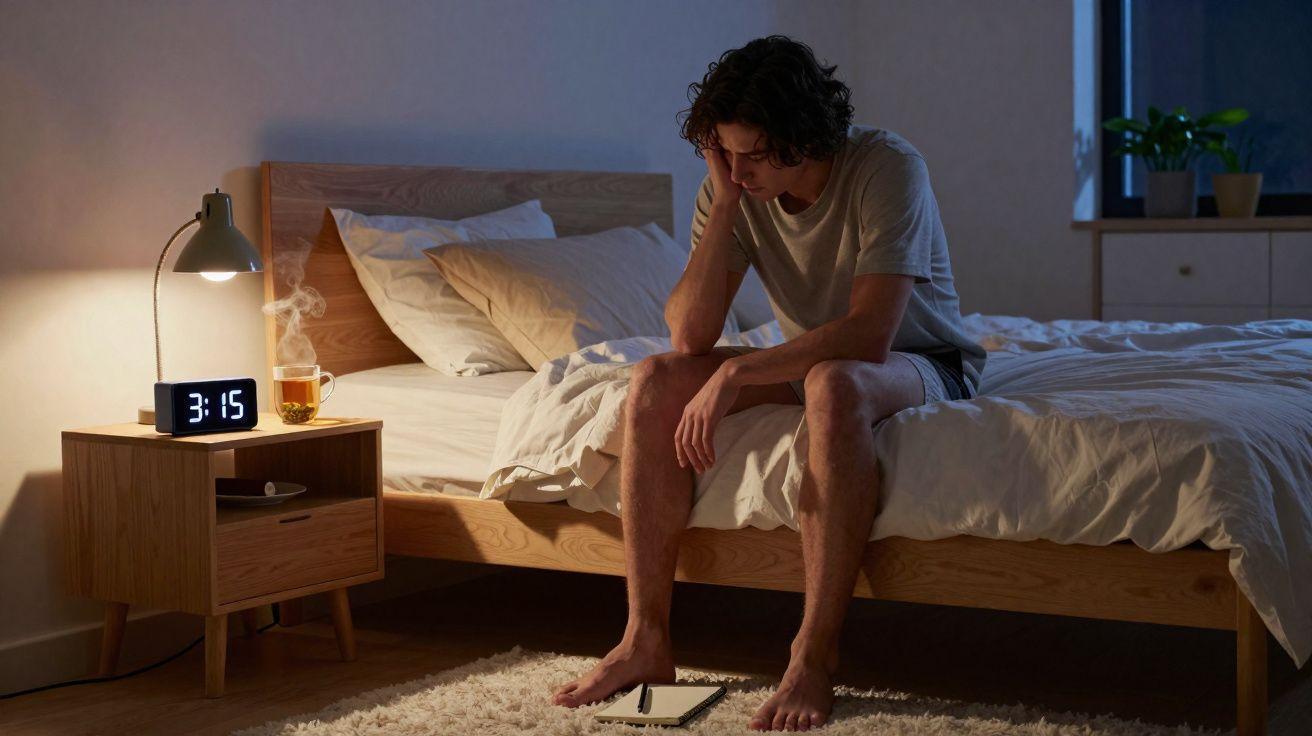
"I'd stare at the ceiling until the birds started. Every single night."
The first thing to go was my patience with my kids.
Not in any dramatic way. I didn't shout. I just… stopped listening properly. My daughter would ask me something at breakfast and I'd nod through it, brain fogged over like a cold windscreen. My son learned to repeat himself three times before I registered a word.
That's what 18 months of broken sleep does to you. It doesn't crash your life. It erodes it. Quietly. Like water on stone.
How It Started
It began in January 2024. I woke up at 3:14 a.m. I remember the exact number on the clock because I stared at it for another two hours and never really slept properly again after that night.
At first I thought it was work stress. A big project. A restructure. The usual. I told myself it would pass. I drank chamomile tea. I bought lavender pillow spray from Holland & Barrett. I downloaded three different meditation apps and deleted them all within a fortnight.
Nothing worked.
"I went to see my GP after about four months. She was kind but rushed. She gave me a leaflet on sleep hygiene and suggested I try a talking therapy referral. The waiting list was 11 months."
Eleven months. For a conversation.
Meanwhile, my body was falling apart in small, humiliating ways. I developed a stutter in meetings. I forgot my own postcode at a delivery pickup. I fell asleep in a car park at lunchtime with the engine running and woke up terrified.
The Break Room Conversation
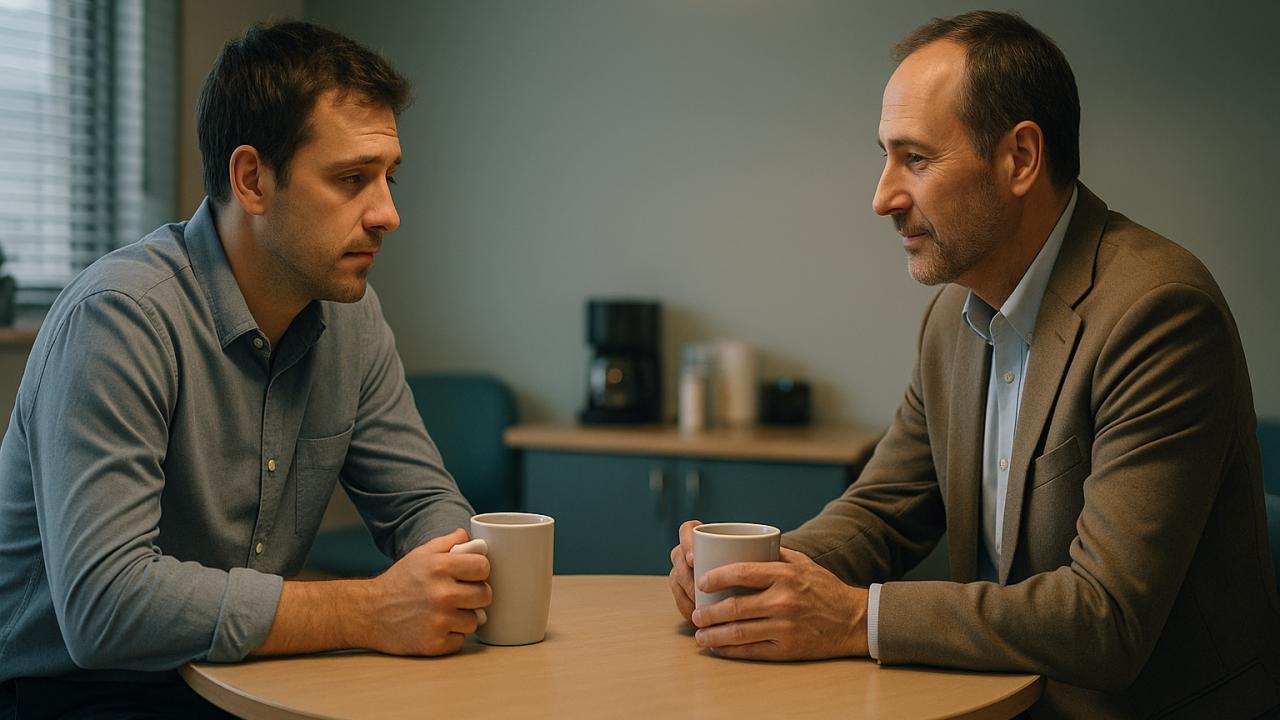
It was a Tuesday in March. I was standing at the office kettle, waiting for it to boil, doing that thing where you're not really thinking about anything because your brain is too tired to hold a thought.
A colleague I'll call her Ellen, because she asked me not to use her name walked in and said, quite plainly:
"Marcus. You look like a ghost. What's going on?"
And for some reason, standing there with a chipped mug and a tea bag in my hand, I told her the truth. All of it. The 3 a.m. wake-ups. The GP leaflet. The car park incident. The way my wife had started sleeping in the spare room because my tossing and turning was ruining her nights too.
Ellen listened. Then she said something I've thought about almost every day since:
"You know there's a legal way to get proper sleep medication in the UK without waiting 11 months for a referral, right?"
I didn't know. I genuinely didn't.
What She Told Me
Ellen explained that there are UK-registered online pharmacies regulated by the General Pharmaceutical Council (GPhC) and the Medicines and Healthcare products Regulatory Agency (MHRA) that offer confidential consultations with actual pharmacists.
You fill in a medical questionnaire. A registered prescriber reviews it. If it's appropriate for your situation, they can issue a prescription for a short course of clinically proven sleep medication the same category of medication a GP would prescribe if you could actually get an appointment.
It's not a loophole. It's not shady. It's the same regulated framework that pharmacies like Boots and LloydsPharmacy use for their online services. It just happens to be faster and more discreet.
- All legitimate services must be registered with the GPhC (searchable on their public register).
- A qualified prescriber must review your medical history before any medication is dispensed.
- Medication comes from UK-licensed suppliers with full patient information leaflets.
- Payment and delivery are handled with full data protection under UK GDPR.
My First Night

I placed the order on a Thursday evening. The consultation took about 12 minutes. The parcel arrived on Saturday morning in plain packaging no branding, no giveaway on the label.
Saturday night, I took the recommended dose about 30 minutes before bed, exactly as the leaflet instructed. My wife was reading in the other room. I remember closing my book at 10:47 p.m.
The next thing I knew, it was 6:32 a.m. and sunlight was hitting the curtains.
I lay there for a full minute trying to work out what was different. And then it hit me: I had slept. Actually slept. Through the night. For the first time in a year and a half.
"I cried a little bit. Quietly, so I wouldn't wake her. It sounds ridiculous grown man crying because he slept but if you've been where I was, you'll understand."
Six Months Later

I don't take it every night. That was never the plan and every proper pharmacist will tell you the same thing: this category of medication is meant for short-term use to break the cycle, not to be a permanent crutch.
What it did for me was give me back a baseline. Two or three good nights in a row was enough to reset my nervous system. From there, the sleep hygiene stuff my GP had recommended actually started working because I wasn't running on fumes anymore.
I use it maybe once or twice a week now, on the worst nights. Sometimes I go a fortnight without needing it. My wife is back in our bed. My kids get a father who listens the first time.
Why I'm Writing This
Because if you're reading this at 3 a.m. and let's be honest, a lot of you are I want you to know two things.
One: You're not broken. You're not weak. Chronic insomnia is a medical condition and it is treatable.
Two: You don't have to wait 11 months for someone to help you. There are proper, legal, UK-regulated options available right now. I wish someone had told me sooner. That's why I said yes when UK Sleep Report asked me to share my story.
UK-registered pharmacy · Discreet packaging · Next-day delivery available
A Few Things I'd Tell My Past Self
- Don't wait. Every week you lose to bad sleep is a week your body is aging faster, your mood is fraying, and your relationships are quietly straining.
- Do your homework. Check the pharmacy is on the GPhC register. Read the patient leaflet. Ask questions.
- Follow the dose. More isn't better. Short-term is the goal. Break the cycle, then rebuild.
- Tell someone. If Ellen hadn't asked me what was wrong that Tuesday, I'd probably still be counting ceiling cracks at 4 a.m.
Sleep is not a luxury. It's not optional. It's the foundation everything else in your life is built on your health, your work, your marriage, your patience with your children.
You deserve to have that foundation back.
See If It's Right For Me →Takes about 12 minutes · Reviewed by a UK prescriber · Free confidential consultation